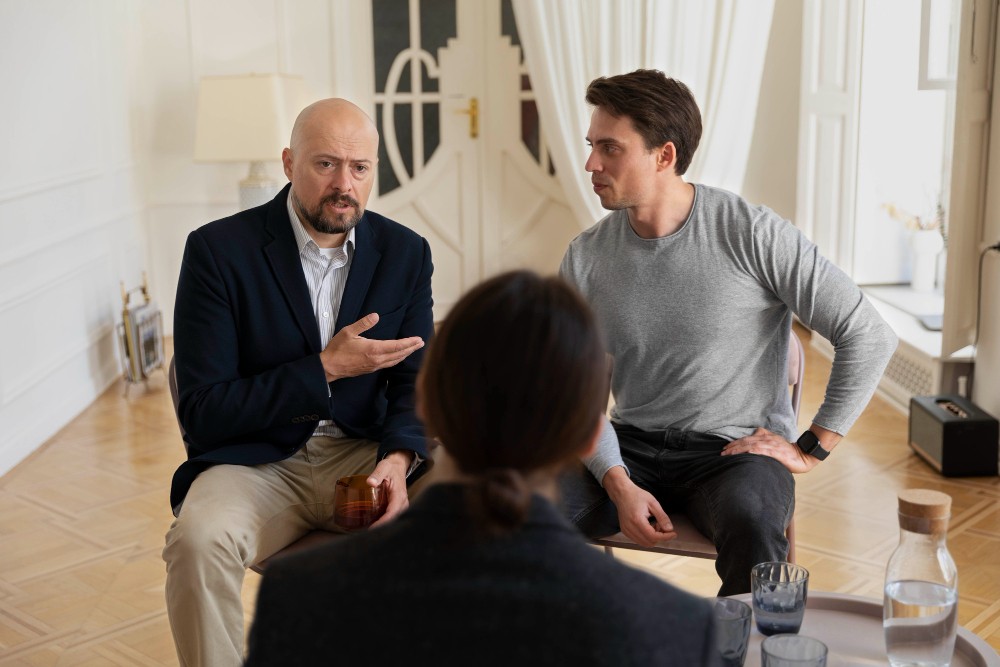
Strong teams rarely struggle because of missing skills. Communication breakdowns usually cause the real damage. Work environments bring together varied personalities, priorities, and pressures, which naturally create friction. A closer look at conflict reveals something important. Disagreement does not weaken teams on its own.
Mediation and conflict resolution training addresses this reality with structure, empathy, and practical guidance. You start to notice how guided dialogue replaces tension with clarity and how accountability grows once people feel heard. Organizations that understand this pattern prepare teams to respond thoughtfully instead of reacting emotionally.
Why Conflict Appears Even in High-Functioning Teams
High-performing teams experience disagreement more often than expected. Tight timelines, overlapping responsibilities, and strong opinions frequently collide. You may notice that conflict feels personal even when discussions stay professional. People attach meaning to their ideas, which explains why feedback can feel threatening.
Teams exposed to the best mediation training programs learn how to separate intent from impact and facts from assumptions. This awareness reduces defensiveness and keeps conversations productive. Vic Buchanon’s experience resolving disputes among families, workplaces, neighbors, and homeowner associations reflects how understanding conflict formation helps people shift from reaction to resolution.
Mediation as a Practical Skill, Not a Last Resort
Many organizations still treat mediation as a tool reserved for serious disputes. That limited view reduces its effectiveness. Conflict resolution training reframes mediation as a skill used daily rather than during emergencies. You learn how to identify early warning signs, ask constructive questions, and address concerns before frustration turns into resentment.
Conversations move away from blame and toward shared responsibility. This mindset explains why many professionals explore training to become mediators as part of leadership development. Teams benefit when conflict management becomes proactive rather than corrective.
The Role of Listening in Team Stability
Listening sounds simple, yet genuine listening requires focus and patience. Mediation training treats listening as an active process instead of a pause before responding. You learn to reflect what you hear, confirm understanding, and ask questions that encourage clarity.
Some organizations that follow the best mediation training programs emphasize listening exercises because they quickly reveal communication gaps. Vic Buchanon’s attentive listening style often feels calming to participants and helps de-escalate tense discussions. Teams that adopt these habits notice fewer misunderstandings and smoother collaboration.
Turning Disagreement Into Meaningful Dialogue
Disagreement does not require a winner and a loser. Mediation training teaches teams how to structure conversations that aim for mutual acceptance. Clear ground rules, neutral language, and balanced participation keep discussions productive. A bit of humor also helps.
Light, respectful banter often releases tension and reminds everyone of shared goals. Teams exposed to training to become mediators learn how to guide discussions without controlling them. Dialogue becomes a method for progress rather than a source of division.
Leadership Confidence Grows Through Mediation Training
Leaders often hesitate during conflict because they fear making matters worse. Mediation and conflict resolution training replaces uncertainty with clarity. You gain frameworks for managing difficult conversations across teams and departments.
Leaders trained under the best mediation training programs intervene earlier and with greater confidence. They ask open-ended questions, acknowledge emotions without validating harmful behavior, and guide discussions toward workable agreements. These skills translate directly into daily leadership challenges and decision-making.
Lowering Legal Strain Through Early Resolution
Unresolved workplace conflict often escalates into formal complaints or legal action. That path drains time, money, and morale. Mediation training reduces this risk by encouraging resolution before disputes reach that stage. Many organizations encourage training to become a mediator because it equips internal leaders to address issues early.
Vic Buchanon’s work with court-assigned cases shows how quickly tensions ease once participants feel respected and heard. Teams learn to document agreements clearly and revisit decisions when circumstances change.
Developing a Culture of Shared Accountability
Accountability often feels uncomfortable because it gets mistaken for punishment. Mediation reframes accountability as clarity paired with respect. Training shows teams how to set expectations, address missteps, and rebuild trust through open dialogue.
Cultures influenced by the best mediation training programs focus on understanding rather than accusation. Vic Buchanon’s mediation approach encourages ownership without pressure. Teams speak up sooner, leaders respond thoughtfully, and small issues are resolved before becoming disruptive.
Conclusion: Stronger Teams Through Thoughtful Conflict Management
Mediation and conflict resolution training strengthens teams by transforming disagreement into growth. Clear communication, active listening, and structured dialogue reduce tension and build trust. Vic Buchanon’s extensive experience across personal and professional disputes shows how mediation creates clarity without escalation.
Organizations that support training to become a mediator benefit from faster resolution, stronger relationships, and reduced legal strain. You gain confidence, resilience, and shared responsibility. When conflict arises, trained teams respond with purpose rather than panic, keeping collaboration steady and productive.
Frequently Asked Questions
Q. Who benefits the most from training to become a mediator?
Training to become a mediator benefits leaders, managers, HR professionals, and team members who frequently navigate disagreements. You gain communication tools that help de-escalate tension, encourage cooperation, and support fair decision-making across professional and personal settings.
Q. How does mediation training strengthen team communication?
Mediation training improves how teams listen, respond, and resolve misunderstandings. You learn how to ask better questions, manage emotional responses, and create space for constructive dialogue. These skills reduce defensiveness and help teams stay focused on shared goals.
Q. What should organizations look for when evaluating the best mediation training programs?
The best mediation training programs focus on practical application rather than theory alone. You should look for programs that emphasize real-life scenarios, guided practice, and communication frameworks that apply directly to workplace challenges and team dynamics.
Q. Can mediation training reduce workplace conflict before it escalates?
Yes, mediation training helps teams recognize early signs of conflict and address issues before they intensify. You develop awareness and communication habits that prevent small disagreements from turning into formal complaints or prolonged disputes.
Q. Does training to become a mediator require a legal background?
Training to become a mediator does not require a legal background. Programs focus on communication, neutrality, and facilitation skills. You learn how to guide conversations fairly and help participants reach mutually acceptable agreements without providing legal advice.
Q. How do the best mediation training programs support long-term team health?
Best mediation training programs support long-term team health by building trust, accountability, and open communication. You gain skills that encourage respectful dialogue, reduce recurring conflicts, and strengthen collaboration across teams over time.
Q. Who benefits the most from training to become a mediator?
Training to become a mediator benefits leaders, managers, HR professionals, and team members who frequently navigate disagreements. You gain communication tools that help de-escalate tension, encourage cooperation, and support fair decision-making across professional and personal settings.
Q. How does mediation training strengthen team communication?
Mediation training improves how teams listen, respond, and resolve misunderstandings. You learn how to ask better questions, manage emotional responses, and create space for constructive dialogue. These skills reduce defensiveness and help teams stay focused on shared goals.
Q. What should organizations look for when evaluating the best mediation training programs?
The best mediation training programs focus on practical application rather than theory alone. You should look for programs that emphasize real-life scenarios, guided practice, and communication frameworks that apply directly to workplace challenges and team dynamics.
Q. Can mediation training reduce workplace conflict before it escalates?
Yes, mediation training helps teams recognize early signs of conflict and address issues before they intensify. You develop awareness and communication habits that prevent small disagreements from turning into formal complaints or prolonged disputes.
Q. Does training to become a mediator require a legal background?
Training to become a mediator does not require a legal background. Programs focus on communication, neutrality, and facilitation skills. You learn how to guide conversations fairly and help participants reach mutually acceptable agreements without providing legal advice.
Q. How do the best mediation training programs support long-term team health?
Best mediation training programs support long-term team health by building trust, accountability, and open communication. You gain skills that encourage respectful dialogue, reduce recurring conflicts, and strengthen collaboration across teams over time.