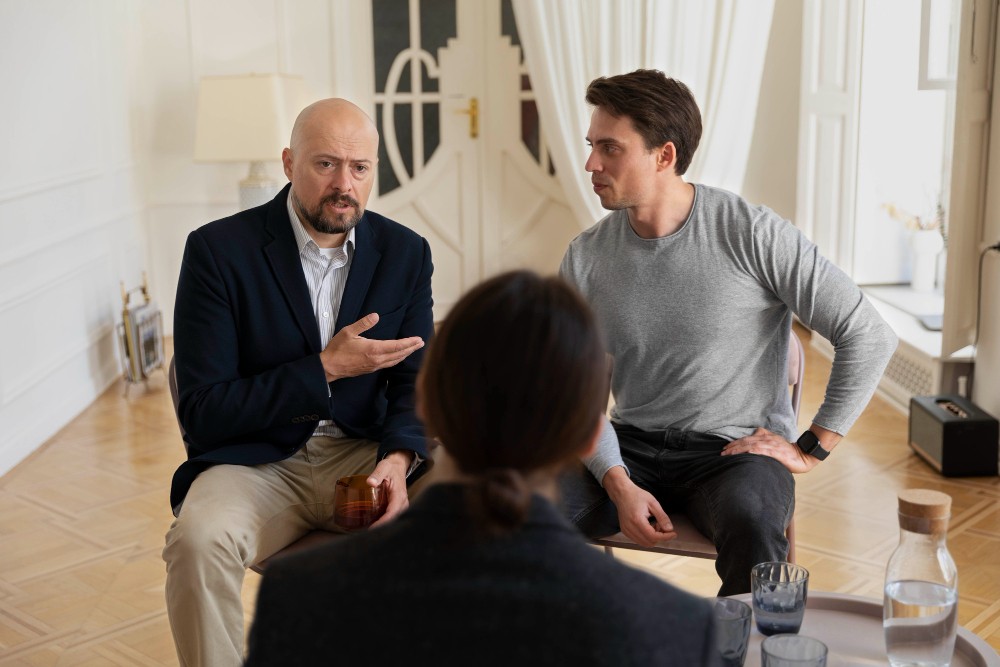
Structured learning adds to practical application to improve conflict resolution. The training on conflict resolution management provides you with clear models to be able to comprehend the disputes, whereas the experience of mediation enhances the sense of judgment, empathy, and communication.
Having them both collaborate, you go past theory and deal with real-life scenarios with confidence. This joint venture will minimize disputes, accelerate settlements, and develop fair agreements that can be agreed upon by all parties without years of legal wrangling.
How Does Conflict Resolution Management Training Improve Mediation Outcomes?
Conflict resolution management training will assist you in understanding triggers and how to control emotions, as well as facilitating structured discussions with the aim of resolving them.
Good mediators are made of strong foundations. Conflict resolution management training teaches you how to recognize triggers, map interests, and how to control emotional intensity. These abilities enable you to lead discussions without resulting in blame-based arguments.
Why Does Training To Become A Mediator Require More Than Theory?
To be a mediator, you train and then work through the real-life unpredictability, not theories. Techniques are described in books and modules, yet, in practice, very few disputes are script-based. Being a mediator is trained in role-playing, observation, and guided feedback to ensure that you are ready to handle any situation that is unforeseen.
This gap is evident in the experience of Vic Buchanon in family, workplace, and community conflicts. His strategy demonstrates how emotional intelligence and flexibility enhance on-the-fly decisions.
What Makes A Mediator Effective In Real-World Conflict Situations?
Successful mediators strike a balance between being neutral and offering direction. They do not make decisions but guide participants towards their own decisions. This takes patience, clarity, and rephrasing conversations.
The approach of Vic Buchanon is unique as he speaks purposefully and listens to others. His sessions are conversational, and this fosters openness and trust is established within a short time.
Can Conflict Resolution Management Training Help In Everyday Disputes?
Conflict resolution management training is a kind of training that will assist you in dealing with everyday conflict situations by enhancing communication and understanding.
Courts are not necessary in day-to-day disputes. Disagreements, be they in the workplace or at home, can be resolved through structured methods that make communication easy. As a result of conflict resolution management training skills, you can be able to deconstruct issues into manageable components.
You begin to see a pattern like miscommunication, unmet expectations, or emotional reactions. Handling such early averts escalation and guards relationships.
How Does Mediation Reduce Legal Complexity And Delays?
During mediation, emphasis is laid on agreement rather than judgment. You are the one who is in charge of the result and not a court. Vic Buchanon has managed disputes allocated by courts effectively by leading parties to a common ground. His procedure lowers stress on the law system and provides some practical solutions that apply in practice.
What Skills are Developed Through Training to Become A Mediator?
Mediator training develops communication, negotiation, and emotional awareness skills that can be generalized to any situation.
Communication is at the center. You get to know how to ask the appropriate questions, listen without interruption, and find out underlying issues. Problem-solving and decision-making skills are also enhanced during training to become a mediator.
Key Skills You Develop:
- Peers listening and communication.
- Impartial mediation and critical thinking.
- Debating and problem-solving skills.
- Awareness and control of emotions.
These skills go beyond mediation to leadership, cooperation, and personal interactions.
How Do Experienced Mediators Handle Emotional Conflicts Effectively?
Emotions tend to fuel conflicts rather than facts. The experienced mediators are not afraid to recognize feelings without letting them dominate the process. They steer discussions to solutions, and they respect every view.
Vic Buchanon applies considerate listening and inspirational communication to relieve stress. The participants feel listened to, and this helps in quicker agreement as there is less resistance.
Quick Comparison: Structural Training vs Real Mediation Practice
| Aspect | Structured Training | Real Mediation Practice |
|---|---|---|
| Focus | Frameworks and models | Real-time interaction |
| Approach | Guided learning | Adaptive responses |
| Skill Development | Foundational understanding | Practical application |
| Outcome | Knowledge building | Conflict resolution |
Conclusion
The learning process, coupled with practical experience, provides a sure way of solving conflicts. You are trained to get clarity and experience to gain confidence. Through alert listening, common sense, and sensitive communication, Vic Buchanon shows how conflicts can be used as a stepping stone to resolution. This moderate approach will lessen the pressure on the law, save time, and create lasting agreements.
Frequently Asked Questions
How long does training to become a mediator usually take?
Training to become a mediator can range from short certification programs to extended practical courses. Duration depends on depth, but hands-on experience remains essential for building confidence.
Can conflict resolution management training improve workplace communication?
Yes, conflict resolution management training improves how you address disagreements, clarify expectations, and maintain a productive environment without unnecessary escalation.
What challenges do people face during training to become a mediator?
Training to become a mediator can feel challenging at first, especially when managing emotional conversations. Practice and feedback help you develop confidence and neutrality.
Does mediation always avoid legal action?
Mediation often reduces the need for legal action, but not in every situation. It provides a faster and more collaborative way to resolve disputes when both parties are willing.
How does conflict resolution management training help in personal relationships?
Conflict resolution management training helps you communicate clearly, understand perspectives, and resolve disagreements without damaging relationships over time.
Why is training to become a mediator valuable beyond professional use?
Training to become a mediator builds life skills such as listening, patience, and problem-solving, which improve both personal and professional interactions.