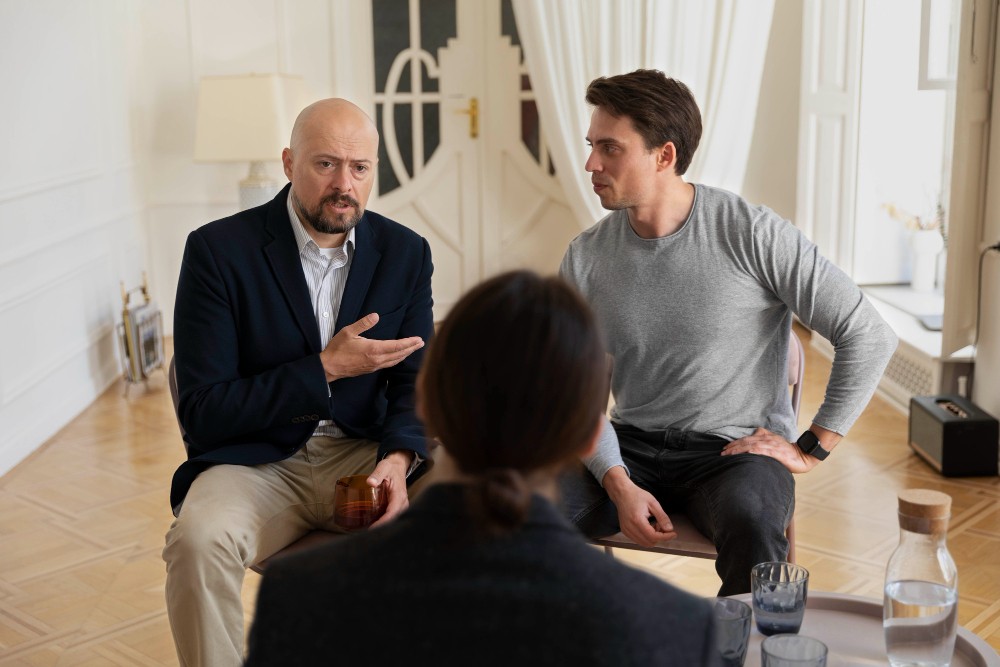
Workplace disagreements rarely explode without warning. Small misunderstandings, unmet expectations, and unspoken frustrations usually create tension long before anyone calls it a conflict. You may notice productivity dipping, meetings growing quiet, or conversations turning guarded.
Organizational studies consistently show that unresolved disputes weaken trust and drain time, while structured resolution approaches strengthen collaboration and decision-making. This discussion explains how long-term training focused on handling disagreement supports healthier workplaces, steadier performance, and stronger professional relationships.
Conflict as a Predictable Workplace Reality
Disagreement does not signal dysfunction. Teams bring together people with different communication styles, priorities, and pressures, so friction naturally appears. You often see it during deadlines, organizational changes, or unclear roles. Ignoring these moments rarely makes them disappear.
Organizations that acknowledge disagreement early create space for dialogue instead of defensiveness. Clear approaches to conflict management in the workplace help employees recognize tension before it hardens into resentment. Over time, teams stop viewing conflict as something to fear and start treating it as information worth addressing.
Training Builds Skills That Policies Cannot.
Policies describe expectations, yet behavior rarely changes through documents alone. You might read a handbook carefully and still fall back on instinct when stress rises. Training bridges that gap by turning abstract rules into usable skills.
Interactive learning allows employees to practice listening, reframing concerns, and responding without escalation. Light humor often appears during these sessions because participants recognize familiar situations. Laughter lowers barriers, and skills tend to stick when people feel involved rather than corrected. Shared learning also creates a common language that teams rely on during tense moments.
Communication Improvements That Last
Effective training reshapes everyday communication. You begin hearing fewer assumptions and more clarifying questions. Instead of reacting defensively, employees ask for context and intent. That shift builds trust steadily.
Trust strengthens teamwork, decision-making, and recovery after setbacks. Teams communicate faster and resolve issues earlier. These improvements extend beyond individual relationships and influence how departments collaborate. Leaders who communicate clearly model behavior that others follow, reinforcing consistency across the organization.
Lower Organizational and Legal Pressure
Unresolved disputes often escalate into formal complaints or legal action. Each step consumes time, energy, and financial resources. Training helps employees resolve disagreements early, reducing the need for escalation.
Professionals like Vic Buchanon have resolved court-assigned disputes involving families, workplaces, neighbors, and home associations. Experience across these settings highlights one consistent outcome. Early, guided dialogue shortens resolution timelines and reduces long-term strain. Organizations that invest in structured skill development see fewer conflicts reach adversarial stages.
Emotional Intelligence Strengthens Daily Performance
Technical ability matters, yet emotional awareness sustains performance. Training encourages self-awareness, empathy, and emotional regulation. You might hear someone joke about “pausing before replying,” but that pause often prevents unnecessary escalation.
Programs centered on conflict resolution management training help employees recognize emotional triggers and respond thoughtfully. Over time, this awareness improves morale and lowers burnout risk. Employees feel acknowledged rather than dismissed, which strengthens engagement and retention.
Leadership Growth Through Mediation Skills
Leaders influence workplace culture through daily interactions. When managers avoid conflict or address it poorly, teams follow suit. Training equips leaders with mediation skills that encourage clarity and fairness.
Vic Buchanon’s approach demonstrates how attentive listening and motivational communication can make Alternative Dispute Resolution feel constructive rather than confrontational. Leaders who apply these methods guide conversations toward mutually acceptable outcomes. This capability strengthens credibility and prepares managers to handle sensitive issues with confidence.
Accountability and Fairness as Shared Values
Healthy conflict resolution depends on shared responsibility. Training reinforces the idea that everyone contributes to respectful communication. You begin seeing employees address concerns directly rather than through side conversations.
Consistency builds trust. Employees engage more openly when they see concerns handled fairly across roles and departments. Structured learning clarifies expectations and provides practical tools to meet them. Over time, accountability becomes part of daily behavior rather than a formal requirement.
Measuring Long-Term Value
Immediate results matter, yet the real impact of training appears gradually. Reduced turnover, stronger engagement, and fewer formal complaints provide measurable signals. Subtle changes matter just as much. Meetings feel calmer, emails sound clearer, and disagreements are resolved faster.
Conflict management in the workplace supports adaptability during growth, leadership changes, or restructuring. Teams that know how to navigate disagreement adjust quickly and stay focused. These outcomes justify ongoing learning and periodic refreshers to maintain momentum.
Conclusion
Workplace conflict never disappears, but its impact depends on how people respond. Thoughtful training transforms disagreement into productive dialogue while strengthening trust, leadership, and emotional awareness. Experience from mediators such as Vic Buchanon shows that guided resolution reduces organizational strain and supports quicker, fair outcomes. Over time, workplaces that prioritize skill-building create cultures equipped to handle challenges with clarity, respect, and consistency.
Frequently Asked Questions
Q. How does conflict management in the workplace support long-term productivity?
Conflict management in the workplace helps employees address issues early instead of letting frustration build. Clear communication and structured dialogue reduce distractions, strengthen teamwork, and keep focus on outcomes rather than personal disagreements.
Q. Can unresolved conflict affect employee morale and retention?
Yes, unresolved issues often lead to stress, disengagement, and burnout. Employees who feel unheard may withdraw or seek opportunities elsewhere, which increases turnover and disrupts team stability.
Q. What role does conflict resolution management training play in leadership development?
Conflict resolution management training equips leaders with skills such as active listening, neutral facilitation, and emotional regulation. These abilities help managers guide difficult conversations while maintaining trust and fairness across teams.
Q. How does training reduce the need for formal complaints or legal action?
Employees who understand resolution techniques resolve disagreements earlier. Conflict management in the workplace reduces escalation by encouraging direct, respectful dialogue before issues reach human resources or legal channels.
Q. Is conflict resolution management training useful for employees beyond management roles?
Conflict resolution management training benefits all employees by improving communication, emotional awareness, and accountability. When everyone shares the same tools, teams handle disagreements more consistently and confidently.
Q. How can organizations measure the effectiveness of conflict-related training?
Organizations often track engagement scores, turnover rates, and complaint frequency. Improvements in meeting dynamics, collaboration, and response to change also signal that conflict resolution management training is delivering long-term value.